
If you have spray foam insulation in your loft, there is a real chance that solar panel installers will refuse to work on your roof — and it's not them being difficult. The problem comes down to structural inspection: spray foam covers roof timbers so completely that an installer cannot safely confirm your roof is sound enough to carry the extra load of solar panels, and a responsible, MCS-certified installer won't take that risk.
This guide explains exactly what's happening, who is most affected, what your realistic options are, and how to find out where you stand before you waste time chasing quotes that go nowhere.
Why did so many homes end up with spray foam insulation?
According to the House of Commons Library, spray foam was one of the measures covered under the Green Homes Grant scheme, which closed in March 2022. Many homeowners had it installed privately too, often after a cold-call or door-knock. Industry estimates suggest more than 250,000 UK homes now have spray foam applied to their roof spaces.
At the time, it was sold as a quick, effective way to cut heat loss. For some homes, installed correctly, it genuinely is. The trouble is that a significant number of installations were rushed, poorly surveyed, or applied to roofs that weren't properly checked first — and that's where the problems start.
Does spray foam insulation stop you getting solar panels?
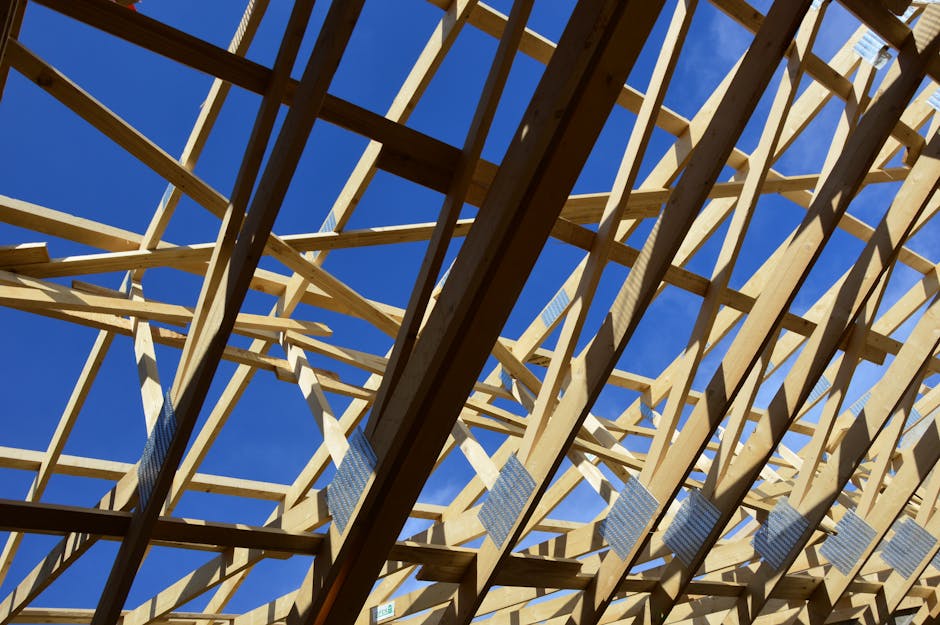
Not always — but it very often does, and here's why. When a solar installer surveys your roof, they need to confirm the structure underneath is sound enough to carry the weight of panels, the mounting frame, and the fixings that penetrate the roof. That means looking at the rafters, felt, and battens.
Spray foam makes that impossible. The House of Commons Library notes that the Home Owners Alliance explains spray foam covers a roof's structure, making it difficult for surveyors to inspect the condition of individual roofs and identify risks. What's true for a mortgage surveyor is equally true for a solar installer: if you can't see the timbers, you can't sign off on them.
RICS (the Royal Institution of Chartered Surveyors) describes retrofitted spray foam as a significant alteration to an existing roof's performance, and warns that incorrectly designed or installed insulation can contribute to uncontrolled condensation and structural damage. An MCS installer who proceeds without a proper structural assessment would be cutting corners — and risking their certification, their insurance, and your safety.
Will solar installers refuse a spray foam roof?
Most will — and the honest answer is that most should, unless the structural condition of the roof can be independently verified first. This isn't gatekeeping; it's professional duty of care. MCS, the UK's quality mark for small-scale renewable energy technologies including solar PV, sets installation standards that require installers to be satisfied the roof can safely support the system. If they can't verify that, they can't legally and ethically proceed under those standards.
There are two types of spray foam that behave differently:
- Closed-cell foam cures into a hard, rigid material that bonds tightly to rafters, traps moisture, and is extremely difficult to remove. This is the highest-risk type. Most installers will flatly decline.
- Open-cell foam stays softer and is more vapour-permeable, but it still covers the timbers and creates the same inspection problem. Some installers may be willing to proceed if an independent structural report confirms the roof is sound — but this is the exception, not the rule.
The short version: don't assume an installer is being unhelpful. They're protecting you as much as themselves.
Can I get solar panels if I have spray foam insulation in my loft?
It depends on your specific situation, but there are a few realistic paths forward.
Option 1: Get an independent structural report
A RICS-accredited surveyor with spray foam experience can inspect the roof, test moisture levels in the timber where possible, and produce a report on its structural condition. If the report confirms the roof is sound, some MCS installers may agree to proceed. This doesn't always work — particularly with closed-cell foam — but it's the first sensible step and avoids a costly removal job if the roof turns out to be fine.
Option 2: Have the spray foam professionally removed
This is the most reliable route, but it isn't cheap. Removal costs vary depending on the foam type, the size of your roof, and the condition of the timbers underneath. Across multiple specialist removal companies, typical figures run from around £40 to £80 per square metre. For a three-bedroom semi-detached, that can mean a total bill of roughly £2,000 to £5,000 or more before solar even comes into the picture. Get at least three quotes from specialist removal contractors — this is not a job for a general builder.
Once the foam is gone and the timbers have been inspected and signed off, the path to solar becomes straightforward. You can also use that moment to check whether the roof needs any repairs before panels go on — our guide Do I Need to Replace My Roof Before Solar Panels? covers this in detail.
Option 3: Ground-mounted solar
If your roof is genuinely not suitable — whether because of spray foam, its age, or its condition — a ground-mounted system bypasses the problem entirely. It requires suitable garden space and may need planning permission, but it's a legitimate alternative that some homeowners overlook. See our guide on ground-mounted solar panels in the UK for a full breakdown of costs and what's involved.
What about the wider spray foam problem — mortgages and property value?
It's worth knowing that the solar issue doesn't sit in isolation. The House of Commons Library reported in November 2024 that a quarter of the UK's biggest mortgage providers and all of the equity release lenders surveyed by the BBC would not lend against homes with spray foam insulation in the roof. The government confirmed in March 2025 that there is no government financial assistance for homeowners to have spray foam removed.
This matters for solar for two reasons. First, if you're planning to sell at some point, having spray foam and no solar may hurt your EPC rating and therefore your sale price — but adding solar on top of an unresolved spray foam issue won't necessarily fix either problem. Second, if you're considering using a green mortgage or home improvement finance to fund solar, a lender may look at the spray foam issue as part of the broader property assessment. It's a situation worth sorting out properly, not papering over.
How to get a straight answer before wasting time on quotes
The frustrating reality is that some homeowners spend weeks chasing solar quotes only to get refused at the survey stage, once an installer spots the foam. Here's how to avoid that:
- Be upfront from the start. When you contact an installer — or use a service like FairSolar to connect with local vetted installers — mention the spray foam straightaway. Any decent installer will tell you honestly whether they'll consider it.
- Get your paperwork together. If you had the foam installed as part of the Green Homes Grant or by a named company, track down any installer documentation, guarantees, or insurance-backed warranties. RICS advises homeowners to keep this paperwork as it may be required by surveyors.
- Arrange a structural survey first. Before any solar quote, commission an independent RICS-accredited survey specifically covering the spray foam and roof condition. It costs less than a wasted installation survey and gives everyone a clear picture.
- Don't pay for a solar survey before the foam issue is resolved. A reputable installer won't charge you for a preliminary roof survey, but if you're already committed to a paid structural report, complete that first.
If you want to understand what else affects whether a roof is suitable for solar — beyond spray foam — our guide Does My Roof Need to Face South for Solar Panels? covers orientation, shade, pitch, and other factors that installers consider.
The honest bottom line
Spray foam insulation and solar panels are a difficult combination, and there's no point pretending otherwise. For a significant number of UK homeowners, spray foam will need to come out before solar can go in — and that adds cost and delay. If the roof beneath turns out to be in good shape, the removal cost is a one-off expense that clears the way for a system that should last 25 years or more. If the timbers are damaged, you'd have needed to know that anyway.
The worst outcome is spending money on solar panels fitted to a compromised roof, or not finding out about the structural issue until you try to sell. Getting a clear picture now — even if the news isn't great — puts you in control.
If you're not sure where to stand, the simplest first step is to talk to a vetted, MCS-certified local installer who can be honest with you about the specifics of your roof. Use FairSolar's free quote form to connect with installers in your area — just mention the spray foam in the notes, and you'll get straight answers rather than surprises later.
Frequently asked questions
Can I get solar panels if I have spray foam insulation in my loft?
Possibly, but it's not straightforward. Most MCS-certified solar installers will decline until the structural condition of your roof can be verified, because spray foam covers the timbers they need to inspect. Your options are an independent structural survey (which may satisfy some installers), professional removal of the foam, or a ground-mounted system that bypasses the roof entirely.
Will solar installers always refuse a roof with spray foam?
Most will decline, at least initially, because they cannot safely assess the roof structure. Some may proceed if you can provide an independent RICS-accredited survey confirming the timbers are sound and the roof can carry the load — but this is more likely with open-cell foam than the harder closed-cell type.
How much does it cost to have spray foam removed so I can get solar panels?
Removal costs vary quite a bit depending on foam type and roof size. Across specialist removal companies, typical figures run from around £40 to £80 per square metre. For a three-bedroom semi-detached, that often works out at roughly £2,000 to £5,000 or more — get at least three quotes from specialist contractors, not general builders.
Does spray foam insulation affect my ability to get a mortgage or sell my home?
Yes, it can. The House of Commons Library reported in late 2024 that a quarter of the UK's biggest mortgage providers would not lend against homes with spray foam in the roof. The government has confirmed there is no financial assistance available for removal, so this is a cost homeowners generally have to absorb themselves.
Is spray foam insulation banned in the UK?
No, spray foam is not banned, and when correctly installed in the right property it can be an effective insulation method. The problems arise because many installations — particularly those done hastily under grant schemes — were applied without proper surveys, using inappropriate foam types, or on roofs that weren't fit for it. That's why lenders, surveyors, and solar installers now treat it with caution.