
Yes, you can put solar panels on a Victorian or Edwardian house — and thousands of UK owners already have. The real questions are whether your specific roof and location need extra checks, and whether those checks change the numbers enough to affect the decision.
Pre-1919 homes make up a substantial share of the UK housing stock. If you own one, you've probably heard one of two things: either that your old roof can't take solar, or that conservation-area rules rule it out. Neither is true in most cases — but there are genuine things to check before you commit. This guide works through them honestly.
Do I need planning permission for solar panels on an old house?
Most homeowners in the UK do not need planning permission for roof-mounted solar panels, thanks to permitted development rules — but there are some exceptions, especially if you live in a listed building or conservation area.
To qualify as permitted development in England, your installation must meet certain conditions: panels must not protrude more than 200mm beyond the roof plane, must not exceed the highest point of the roof, and must not be installed on a listed building or within its curtilage. In plain terms, a standard rear-roof installation on a non-listed Victorian terrace or semi in England almost always qualifies — no planning application needed.
The age of your house isn't what triggers planning requirements. What matters is whether the property is listed or sits in a conservation area — two things that are completely separate from simply being old.
What if I'm in a conservation area?
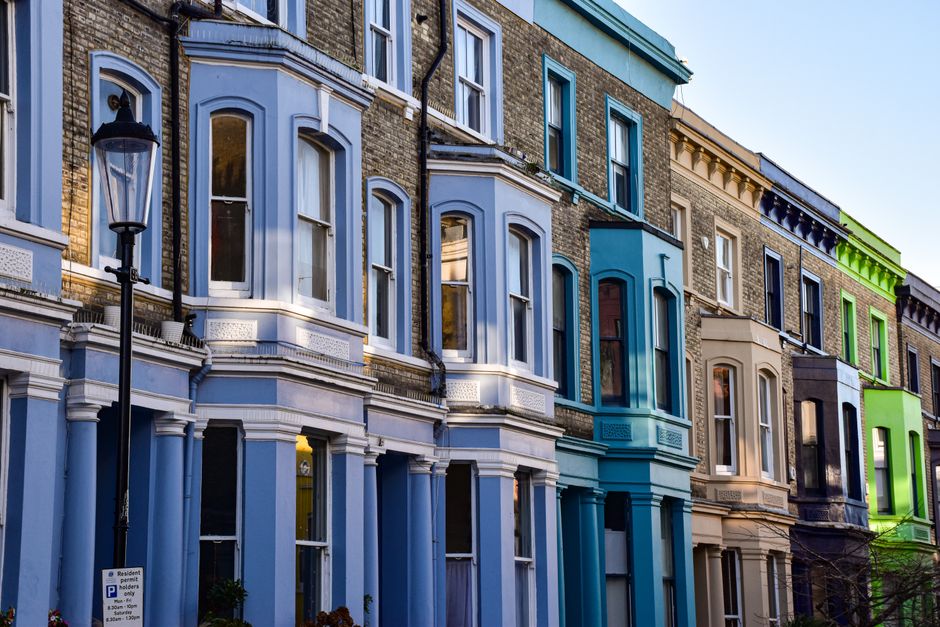
Living in a conservation area does not automatically ban solar — it adds conditions. Panels on a rear or side roof slope (not facing a highway) often fall under permitted development. Panels on a front or highway-facing slope in a conservation area usually need planning permission.
Approximately two million homes across the UK are located in conservation areas. If yours is one of them, the practical reality for most owners is straightforward: you can install panels on a roof slope that does not face a highway without planning permission, but panels on the front elevation or a wall facing a highway require a planning application. In practice, this means you can usually install panels on a rear-facing roof in a conservation area without planning permission.
Where it gets more involved is if your conservation area also has an Article 4 Direction in force, or if your property is a listed building. If your property is in a conservation area with Article 4 directions, is listed, or sits in the curtilage of a listed building, the standard permitted development rules for solar PV don't fully apply.
If you need to apply for planning permission, a householder planning application costs £258 for a single-dwelling solar application in 2026, with a lead time of 8–10 weeks for determination. That's not nothing, but it's also not a reason to give up.
What if my house is listed?
Listed buildings are the genuinely tricky case — and it's worth being straight about this. If your home is a Grade I, Grade II*, or Grade II listed building, you need listed building consent before installing solar panels. This applies to any alteration that affects the building's character, including roof-mounted panels on the principal elevation. Listed building consent is separate from planning permission and involves demonstrating that the installation will not harm the building's special architectural or historic interest.
That said, consent is not automatically refused. You're more likely to get listed building consent if the panels don't cause any structural damage or substantially alter the property's appearance, and the installation is ultimately reversible. Factors that improve the chances of success include panels installed on a rear or non-principal elevation, all-black monocrystalline panels for lower visual contrast, and in-roof installation systems where panels sit flush with the roof surface.
If you own a listed building, speak to your local conservation officer before spending anything. Historic England has published guidance on solar in historic buildings, and a pre-application conversation costs nothing. You can also read our guide on Solar Panels on a Listed or Older House for more detail on the consent process.
Are Victorian and Edwardian roofs strong enough for solar panels?
This is one of the most common worries — and it's a fair one. Before fitting solar panels to a roof, it is highly recommended that you have the existing roof structure professionally assessed to determine its capability to support the additional weight of the solar panel installation. This is particularly the case for older properties, such as Victorian terraces, where the roofing and tiling may not have been modernised for a significant period of time.
Solar panels usually add around 15–20kg per square metre, which most modern roofs can handle — but older properties may need closer inspection. The good news is that Victorian and Edwardian builders tended to use heavy, well-seasoned timber, and many of these roofs are structurally sound. The issue is more likely to be the condition of the timbers after a century or more of use than the original design.
Most reputable installers will carry out a structural assessment as part of the quotation and design process. This is a hands-on examination of the roof's timbers, trusses, and load-bearing elements by a qualified professional — assessing the existing condition of the roof, and hunting for any signs of weakness, rot, or past alterations that could compromise its strength.
If the survey reveals any problems with the timbers or tiles, replacing the roof first may be the most cost-effective option if significant repairs are likely within the next decade. Fitting solar panels over a roof that will need replacing in five years is an expensive mistake — panels have to come off, the roof gets done, then panels go back on. Get the honest conversation out of the way early.
What about roof shape and orientation on a period home?
Victorian and Edwardian terraces typically have a pitched roof running front-to-back along the street. Victorian and Edwardian terraces in UK towns tend to run along a consistent street direction, meaning the roof faces either the front or the back. Whether the south-facing surface is front or back determines how the installation is approached — if your rear roof faces south or south-west, installation is straightforward.
Period detached and semi-detached houses often have more roof area available, including side returns, bay window roofs, and outbuildings — all of which can sometimes be used. Outbuildings and garages have the same permitted development rights as the main dwelling, subject to the same 200mm protrusion limit and visibility criteria. A south-facing garage roof is sometimes the cleanest option on a property where the main roof faces north or is heavily shaded by chimneys.
If shade from chimneys or dormers is a concern, our guide on Solar Panels and Shade: Does a Tree or Chimney Rule Out Solar? covers exactly how shading affects output and what installers can do about it.
What does a system actually cost on a period property?
Solar panels cost £5,000–£11,000 installed in the UK in 2026, depending on system size, roof complexity, and the installer. Period properties don't automatically cost more — but a roof that needs scaffolding on multiple sides, or a heritage in-roof system rather than standard on-roof panels, will add to the bill. Always get itemised quotes so you can see exactly what you're paying for.
The ongoing financial picture: the Energy Saving Trust estimates average savings of around £584 per year for a typical household — though your actual savings will depend on how much electricity you use, how much of it you use during daylight hours, and which Smart Export Guarantee (SEG) tariff you're on. A Victorian 3-bed with a south-west rear roof and average electricity use might save somewhere in that range, but a larger Edwardian detached with more roof area and higher consumption could save considerably more over time. These are indicative figures, not guarantees — your installer should model your specific home.
Solar installations currently qualify for 0% VAT, which runs until 31 March 2027 — a meaningful saving on a £6,000–£9,000 job. On top of that, the Smart Export Guarantee (SEG) means energy suppliers with over 150,000 customers must offer you a tariff for any electricity you export to the grid. Rates vary significantly between suppliers, so it's worth shopping around — see our Best Smart Export Guarantee Rates UK 2026 guide for a comparison.
When solar isn't the right call for a period property
Being honest about this is part of giving useful advice. Solar on a period home may not be worth pursuing if:
- Your roof needs significant repair or replacement within the next decade — sort the roof first.
- Your only viable roof slope faces north or is heavily shaded for most of the day — output will be poor enough to stretch the payback period considerably.
- You're in a listed building where consent is likely to be refused — a pre-application conversation with the conservation officer will tell you quickly.
- You're planning to move within a few years — though solar does tend to add value and saleability, the payback period for period-property installs with any planning complexity can be longer.
If none of those apply, the odds are in your favour. Most Victorian and Edwardian homes that aren't listed and have a decent rear roof slope can have solar installed without drama — and often without any planning application at all.
If you're ready to find out where your specific home sits, get free, no-obligation quotes from vetted local installers through FairSolar. A good installer will check your planning status, assess the roof structure, and give you honest numbers — all before you commit to anything.
Frequently asked questions
Can I put solar panels on a Victorian house?
In most cases, yes. If your Victorian house isn't listed and isn't in a conservation area, standard permitted development rules apply and you won't need planning permission. Even in a conservation area, rear-roof installations are usually fine without a planning application. The key checks are roof condition, orientation, and whether the property is listed.
Do I need planning permission for solar panels on an old house?
Age alone doesn't trigger planning requirements. What matters is whether your property is listed or in a conservation area. Most non-listed Victorian and Edwardian homes qualify for permitted development, meaning no planning application is needed — as long as panels don't protrude more than 200mm from the roof plane and don't exceed the roofline.
Are Victorian roofs strong enough for solar panels?
Many are, but it's not something to assume. Solar panels add around 15–20kg per square metre, and an older roof may have timbers that have deteriorated over time. A reputable installer should carry out a structural assessment as part of the survey process. If significant repairs are needed, it's usually better to fix the roof before fitting panels.
Can I get solar panels if I live in a conservation area?
Yes, in most cases. Living in a conservation area doesn't ban solar — it restricts where panels can go. Rear-roof installations that aren't visible from a public highway are typically permitted development and don't need a planning application. If your best roof slope faces the street, you may need to apply, but many councils approve these applications.
Is there any financial help available for solar on a period property?
The same incentives apply as for any home: 0% VAT on installations (currently running until 31 March 2027, per gov.uk) and the Smart Export Guarantee, which pays you for surplus electricity you export to the grid. There's no specific grant for period properties, but ECO4 may apply if your home has a low energy performance rating and you meet income criteria — check gov.uk for current eligibility.